Organic pesticides, a topic VERY close to my heart.
CHEMICAL PESTICIDES ARE TOXIC TO HUMANS, our food which it permeates, our water supply, our dirt, and everything in our environment, not
just pests. Just remember the exact translation of the word:
PEST = an animal or plant detrimental to humans or human concerns,
CIDE = originates from the Latin word
caedere meaning
to kill.
In one of my earlier posts, I had mentioned that I would post the results of my
Organic Neem Oil test on my radishes. To make my organic and natural pesticide, I just bought 100% neem oil (oil from the Neem Tree), and diluted it with water in a spray bottle. Because the oil turns to a solid on cold days, I heat up the water a little so that it goes on well. I always to a spot test first and wait a few days to make sure the oil itself does not kill the plant. The radishes exhibited zero negative reaction to it, so I started spraying it on them about 6 weeks ago.
From the beginning, I noticed that my radishes were being munched by someone out in the garden. Noticing damage early on is important for not only the health of the plant, but the quantity and most importantly, quality of your yield. The healthier your plants are, the more they will produce.
 |
| NO Neem oil |
 |
| 100% organic Neem oil applied |
I was willing to sacrifice one entire row of my radish crop to the pests to show all of you the results of Neem Oil, and the results were very, very interesting. It just goes to show you that NON-CHEMICAL, organic alternatives really do work. Keep in mind, this is not
ROUND-UP, so you will still see a few holes in my plants, but hey, at least tonight when I am eating my salad, I can chop off the radish tops, or in other cases, eat around a few holes, instead of eating
ROUND-UP.
 |
| Up close - WITHOUT Neem |
 |
| Up Close - WITH NEEM |
My hero,
Rachel Carson, the lady that wrote the book
'Silent Spring' because she was the first who recognized the correlation between
pesticides, and
toxicity to life. In short, she realized that after a little 'spring' in her neighborhood was sprayed with pesticides the week prior, it turned silent, when life had flourished just the week before. She was a pioneer in what we now call the 'environmental movement.'
When chemical pesticides are used, everything around it becomes contaminated. Most man made chemical pesticides, like
Monsanto's Round-up, anything
DOW Chemical makes (
AGENT ORANGE), and the now banned
DDT are neurotoxins, which disrupt the neurotransmitters in our brains, causing everything from mental or emotional changes, vision loss, weakness, numbness in the arms and legs, to sexual impairment.
 |
| DDT, now banned in the US |
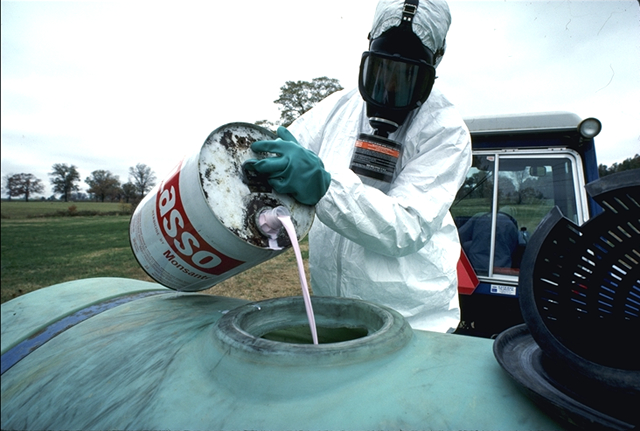
Why would you put chemicals on your FOOD that have to be labeled toxic, or dangerous, or hazardious, or you have to wear something like this to apply it to your food supply? Almost all food grown in America that is not organically grown, is grown this way. So if you are going to Safway, or Lucky later today, chances are, you are picking up some chemically contaminated food.
 |
| MONSANTO pesticides being prepared for large scale field application |
Why is the EPA allowing this? The representatives who voted in favor of toxic pesticides being sprayed all over our national food supply, must make enough money to shop at whole foods every day, probably from all those 'handouts', and 'back scratches' that they got from large chemical companies, for voting in their favor.
 |
| Hazardous chemicals, to everything and everyone, not just bugs |
 |
| AGENT ORANGE human side effects - thanks DOW CHEMICAL |
Lets not forget what happened in
Vietnam, DOW still will not take the responsibility.
Over 3 million individuals were exposed to Agent Orange during the Vietnam War, including US Veterans like my father.
ZERO ACCOUNTABILITY. SHAMEFUL.